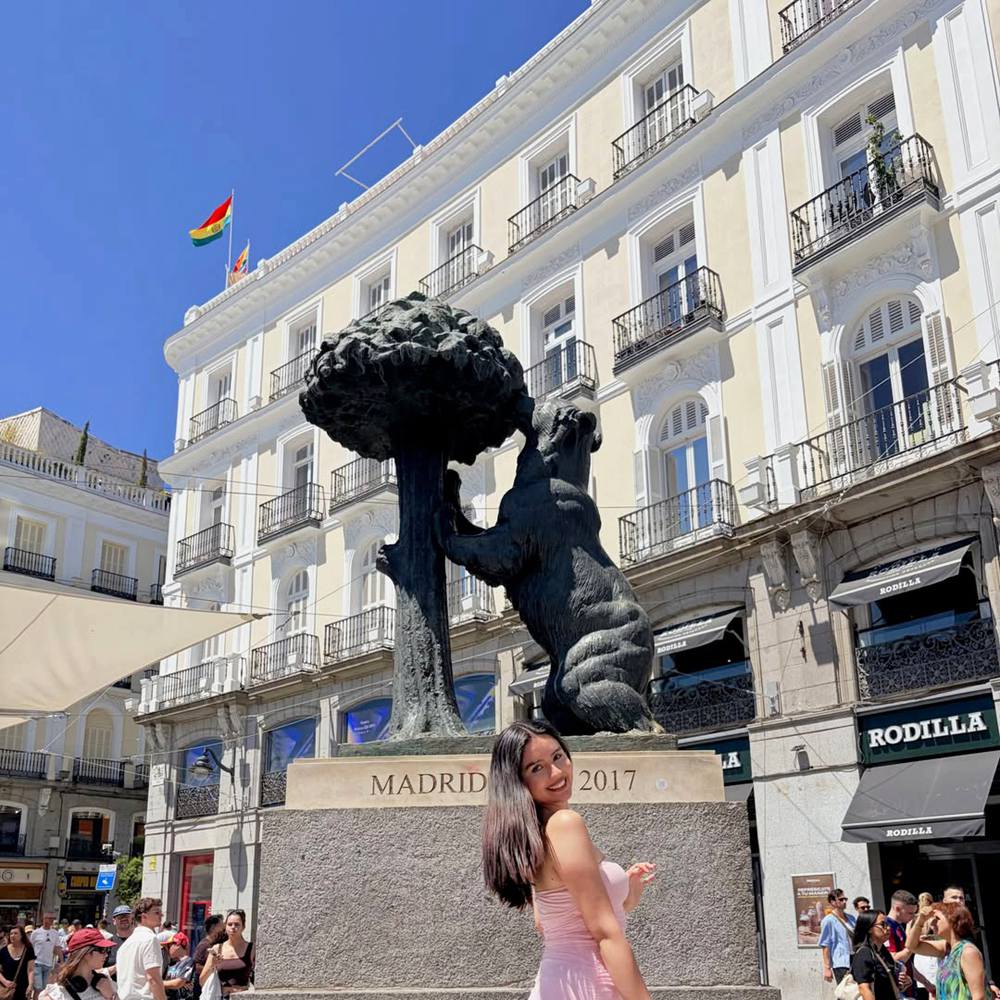
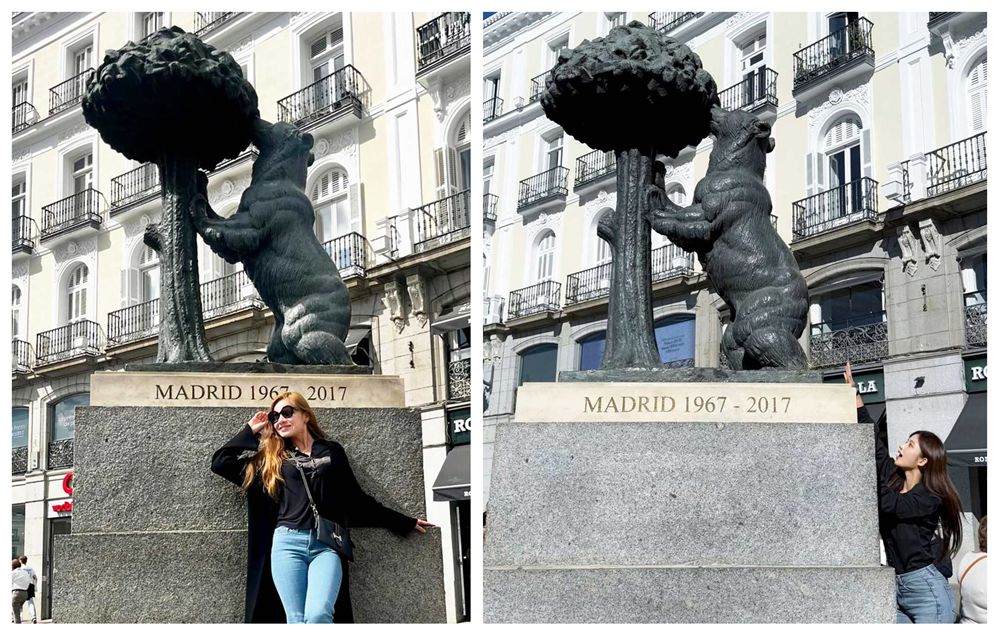
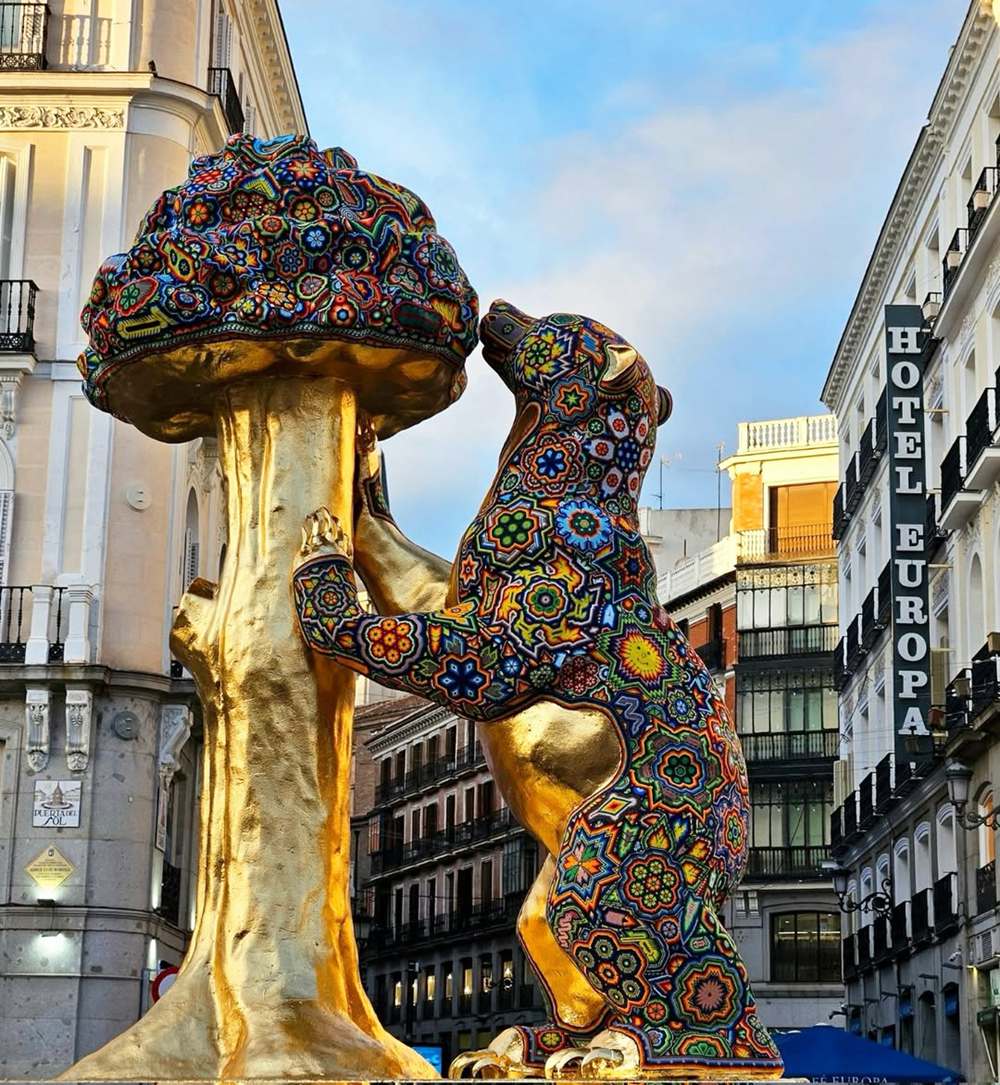
In Madrid’s bustling Puerta del Sol, a 20-ton bronze bear statue has stood on its hind legs for over half a century, reaching toward a tree laden with red berries. It’s one of the city’s most photographed landmarks—but why is it here? And what does it have to do with Atlético Madrid?
This is El Oso y el Madroño —the Bear and the Strawberry Tree. And it’s more than a statue. It’s the very soul of Madrid, carved in bronze.
What Is It? — Getting to Know the Statue Itself
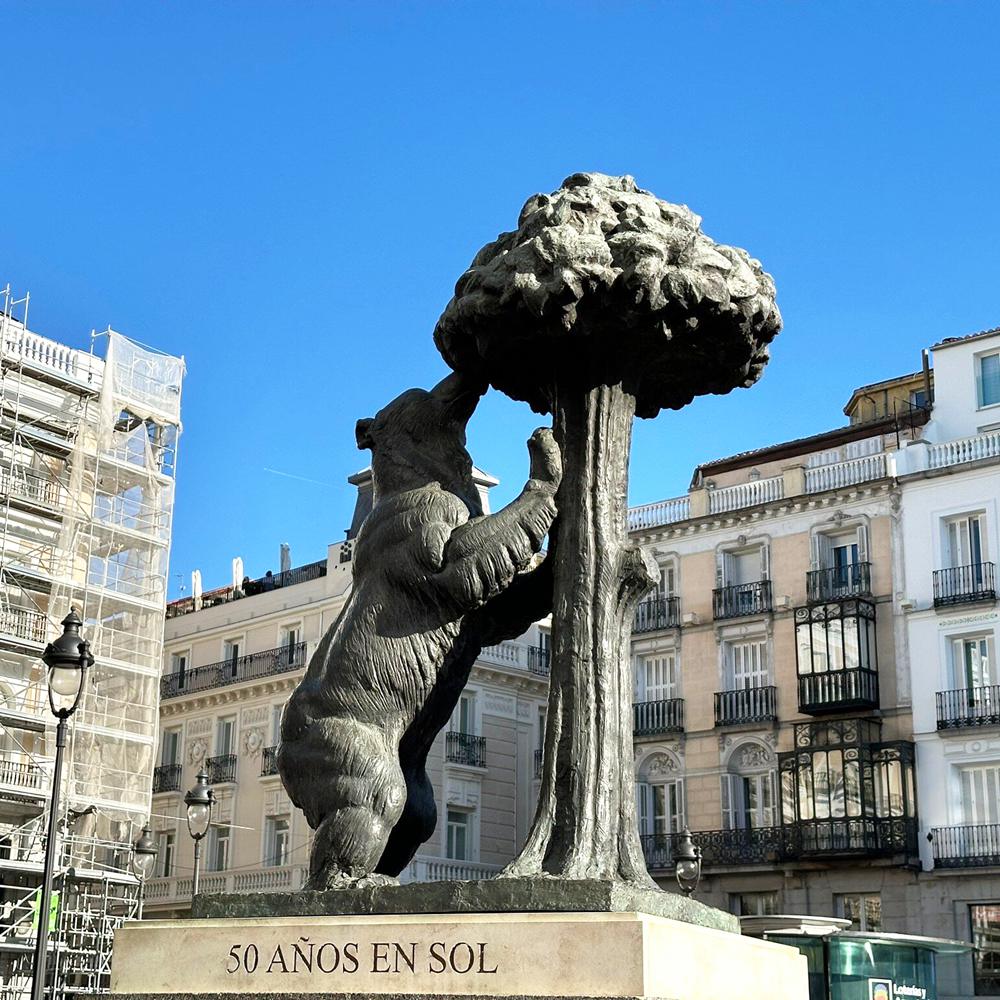
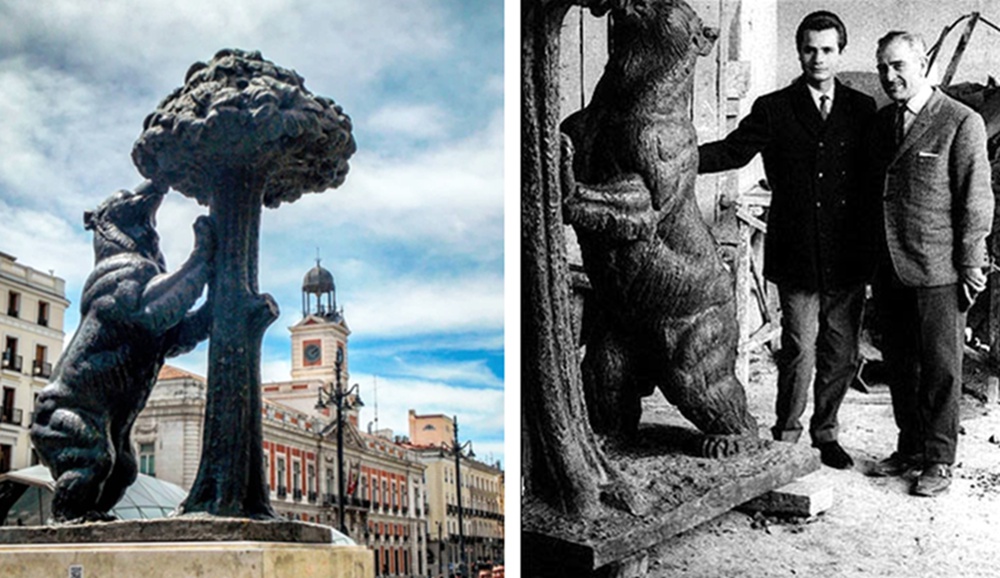
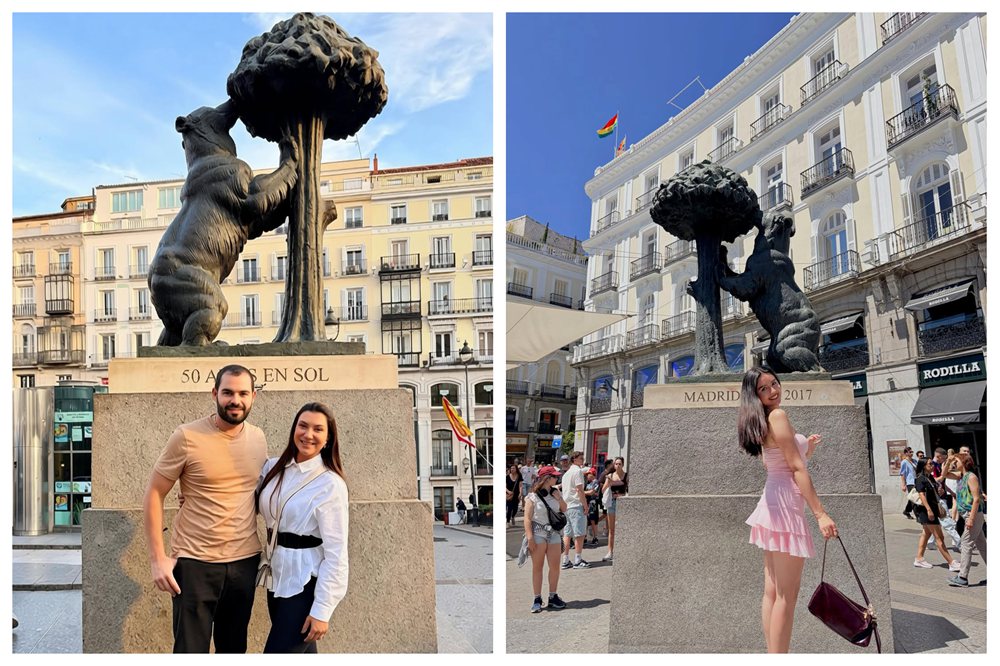
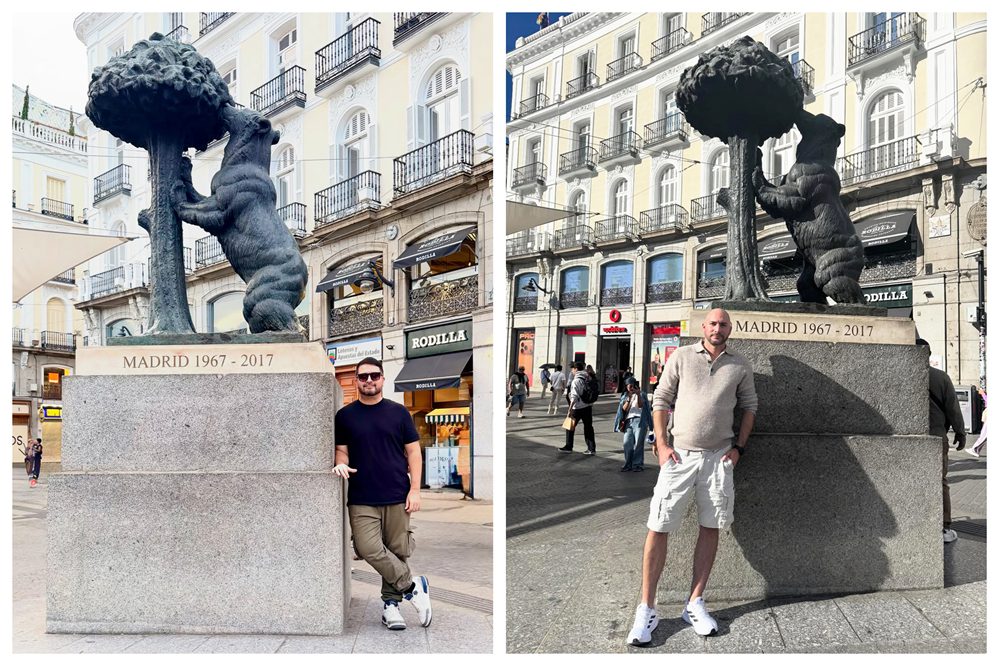
The statue stands approximately 4 meters tall and weighs nearly 20 tons. It was sculpted by Antonio Navarro Santafé and inaugurated on January 19, 1967, commissioned by the Spanish government to create a permanent, monumental representation of Madrid’s ancient heraldic emblem.
For the creation of the statue, Navarro Santafé drew inspiration from a male brown bear captured in the Picos de Europa mountains, which was living in the Casa de Fieras zoo in Madrid’s Retiro Park at the time.
Visitor Information:
Location: Eastern end of Puerta del Sol, between Calle de Alcalá and Carrera de San Jerónimo
Hours: Open 24/7, year-round
Admission: Free
Recommended visit time: 15–30 minutes
Why? — The Dual Answers of Legend and History
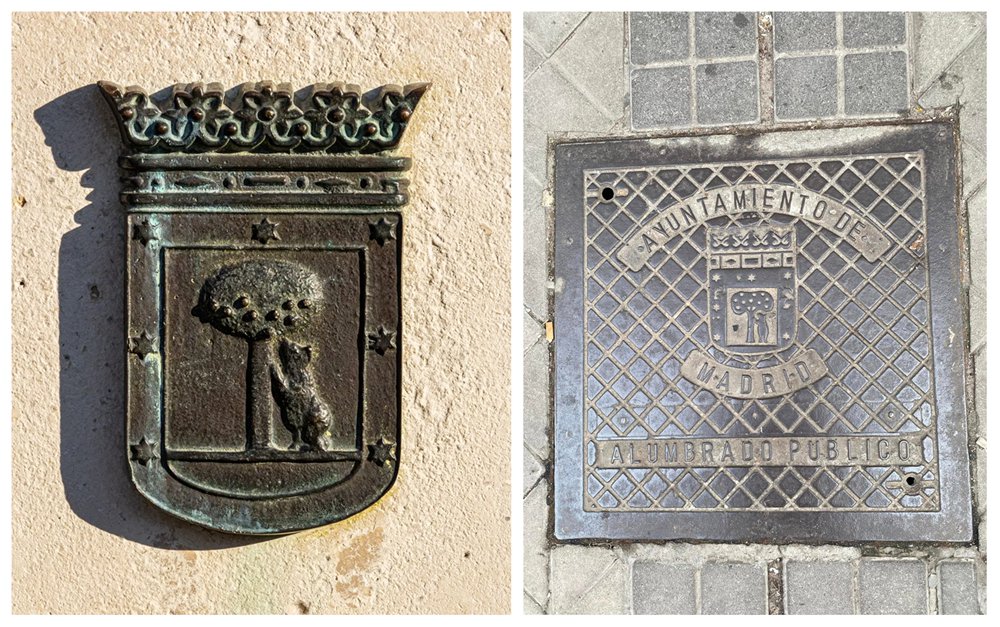
The bear and the tree have been part of Madrid’s coat of arms since at least the 13th century. But the reasons behind this choice are a fascinating blend of history, folklore, and a touch of mystery.
The Legend: “Madre, Id!” (Mother, Run!)
The most beloved story tells of a young boy who encountered a bear while playing in the forest. He climbed a strawberry tree to escape—but then his mother came looking for him, unaware of the danger below.
From the tree, the boy shouted: “¡Madre, id! ¡Madre, id!” (“Mother, run! Mother, run!”).
The shout saved his mother—and according to legend, gave Madrid its name (“Madre-id” contracted to “Madrid”).
The Historical Reality: A 13th-Century Land Dispute
The true origin is more diplomatic than dramatic. In 1222, King Alfonso VIII mediated a land rights dispute between the Church and the Madrid City Council. You can read more about this historic agreement on the Official Madrid Tourism Portal.
The king’s compromise:
Animals and plains (represented by the bear) → property of the Church
Trees and woodlands (represented by the strawberry tree) → property of the city
This decree resolved the quarrel, and the bear-and-tree symbol was adopted as the city’s official emblem.
The Deeper Root: A Roman Connection
The bear’s association with Madrid may go back even further—to Roman Hispania. The area was once known as “Ursalia,” derived from the Latin ursus (bear), literally “Land of the Bears”. Brown bears once roamed the forests and plains in large numbers, and the species remained common until the medieval period.
The Seven Stars: A Celestial Layer
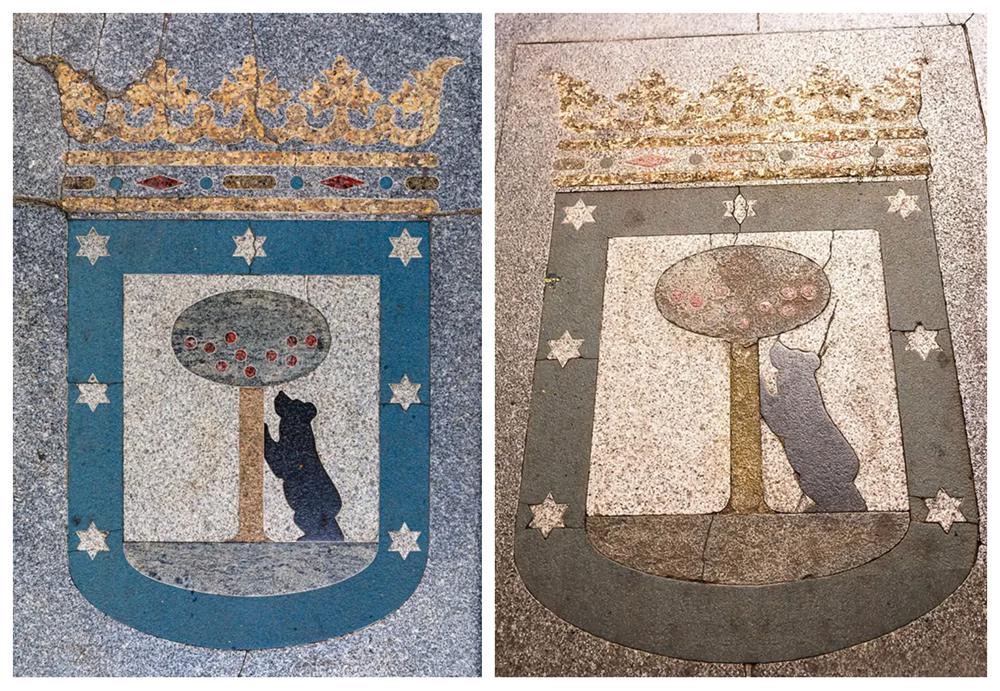
In the city’s coat of arms, the bear stands beneath seven stars—representing the Ursa Major (Great Bear) constellation. This connection was documented as early as the 16th century.
What About the Tree?
The “strawberry tree” is actually a madroño (Arbutus unedo), not a strawberry plant. Its berries are small red fruits that look more like lychees than strawberries. The fruit is edible but can be slightly intoxicating. The red-berried tree was likely a common species in the region’s woodlands.
Curious Fact: The Bear’s Gender
In recent years, a debate has emerged about the statue’s gender. Some observers note that the sculpture lacks visible male attributes, suggesting it might actually depict a female bear (osa), not a male (oso). However, the historical tradition has always identified the animal as a male bear.
What Does It Mean? — From City Symbol to Club Soul
The City’s Spirit: Resilience, Pride, and Identity
The bear represents Madrid’s indomitable character—a spirit of standing one’s ground, defending territory, and thriving against the odds. For centuries, the bear has symbolized:
| Trait | How the Bear Represents It |
| Resilience | Standing firm, even when challenged |
| Self-reliance | Reaching for what it needs |
| Connection to nature | Deep roots in the land |
| Pride | A symbol of Madrid’s distinct identity |
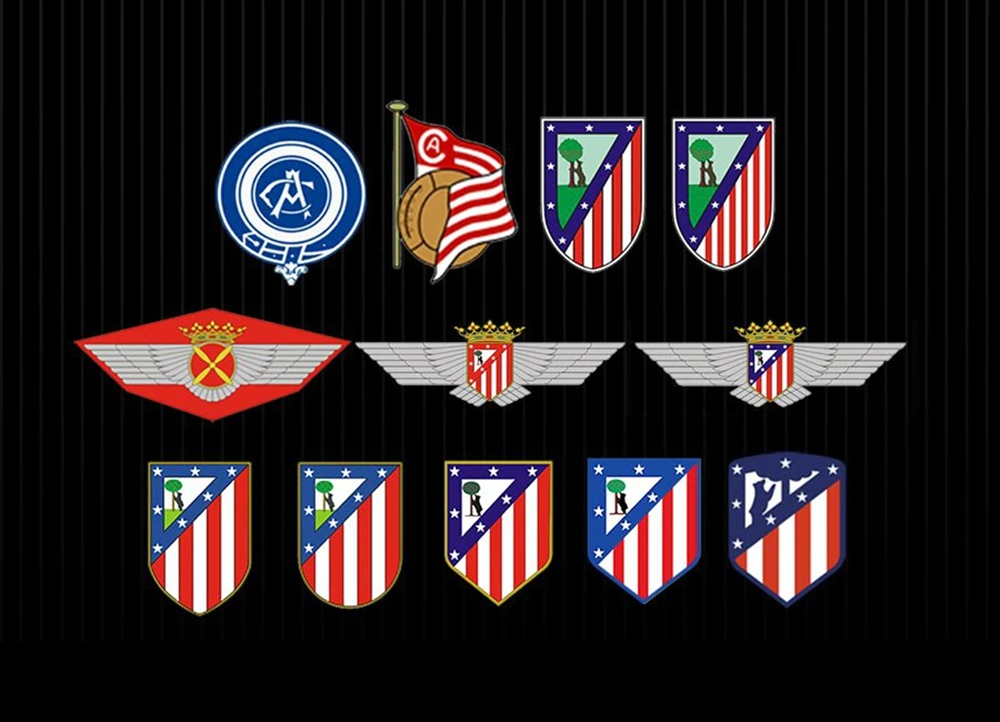
Atlético Madrid’s Badge: A Club Rooted in the City
Perhaps the most visible modern expression of this symbol is in the crest of Atlético Madrid.
The bear-and-tree is the central element of the club’s badge—directly lifted from the city’s coat of arms. This was no accident. It was a deliberate choice to represent the club’s deep roots in Madrid and its identity as the club of the people.
The red and white stripes on the badge? They come from bed sheets—the cheapest material available at the time, earning the club the nickname “Los Colchoneros” (The Mattress Makers). This humble origin is a badge of honor, reflecting the club’s working-class, “everyman” identity.
Atlético vs. Real Madrid: A Symbolic Contrast
| Atlético Madrid | Real Madrid |
| Bear and tree (city symbol) | Crown (royal symbol) |
| “Club of the people” | “Club of the establishment” |
| Red and white (bed sheets) | All-white (royal association) |
| Grounded in the city | Tied to the crown |
This contrast is not accidental. The bear-and-tree represents groundedness, resilience, and local identity—values that define the club’s connection to its fans.
Unique Insight: The Bear as a “Streetwise” Symbol
There is a particular quality to Madrid’s character that the bear captures perfectly: “calle” (street smarts). Madrileños are known for their sharp wit, their pride, and their refusal to be pushed around. The bear, standing on its hind legs, reaching for what it wants, is a powerful embodiment of this defiant, self-reliant spirit.
Bringing Madrid’s Spirit Home — Custom Bronze Bears by YouFine
The bear and strawberry tree is more than a tourist attraction. It’s a symbol of resilience, identity, and pride—a spirit that resonates far beyond Madrid’s city limits.
For over 43 years, YouFine Art Sculpture has worked with artists, designers, architects, and private clients worldwide to transform meaningful ideas into enduring bronze sculptures. We are based in Quyang, China—a region renowned for its sculpting heritage. Our artisans combine this generations-old craft with the traditional lost-wax casting method, which allows for exceptional detail and dimensional accuracy.
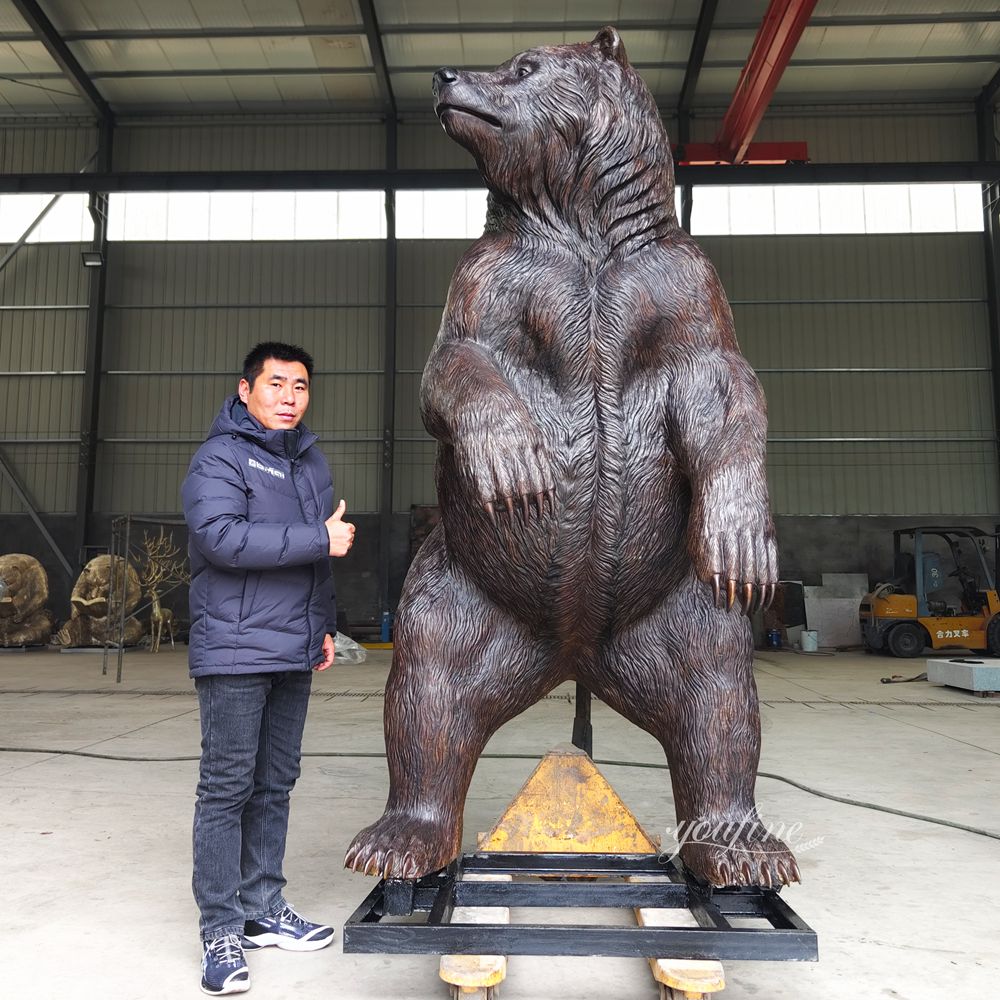
We have crafted standing large outdoor bears statue of various sizes for clients globally—from life-size replicas of the Madrid statue to smaller interpretations for private gardens. This is a piece we know well, and we understand the care required to capture its spirit.
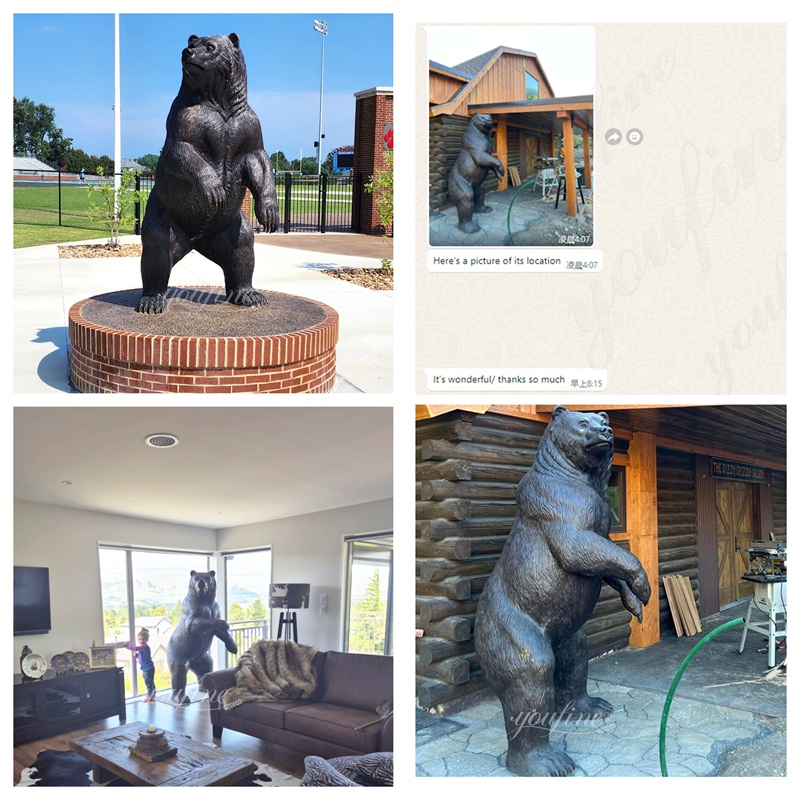
How We Can Help Bring Your Vision to Life
If you are considering a bronze bear sculpture for a public space, a corporate environment, or a private collection, we offer:
Full customization: We can adapt the size, posture, surface finish, and level of detail to your specific requirements.
Design and engineering support: Our team can guide you through the process, from initial concept and 3D modeling to structural engineering and installation advice.
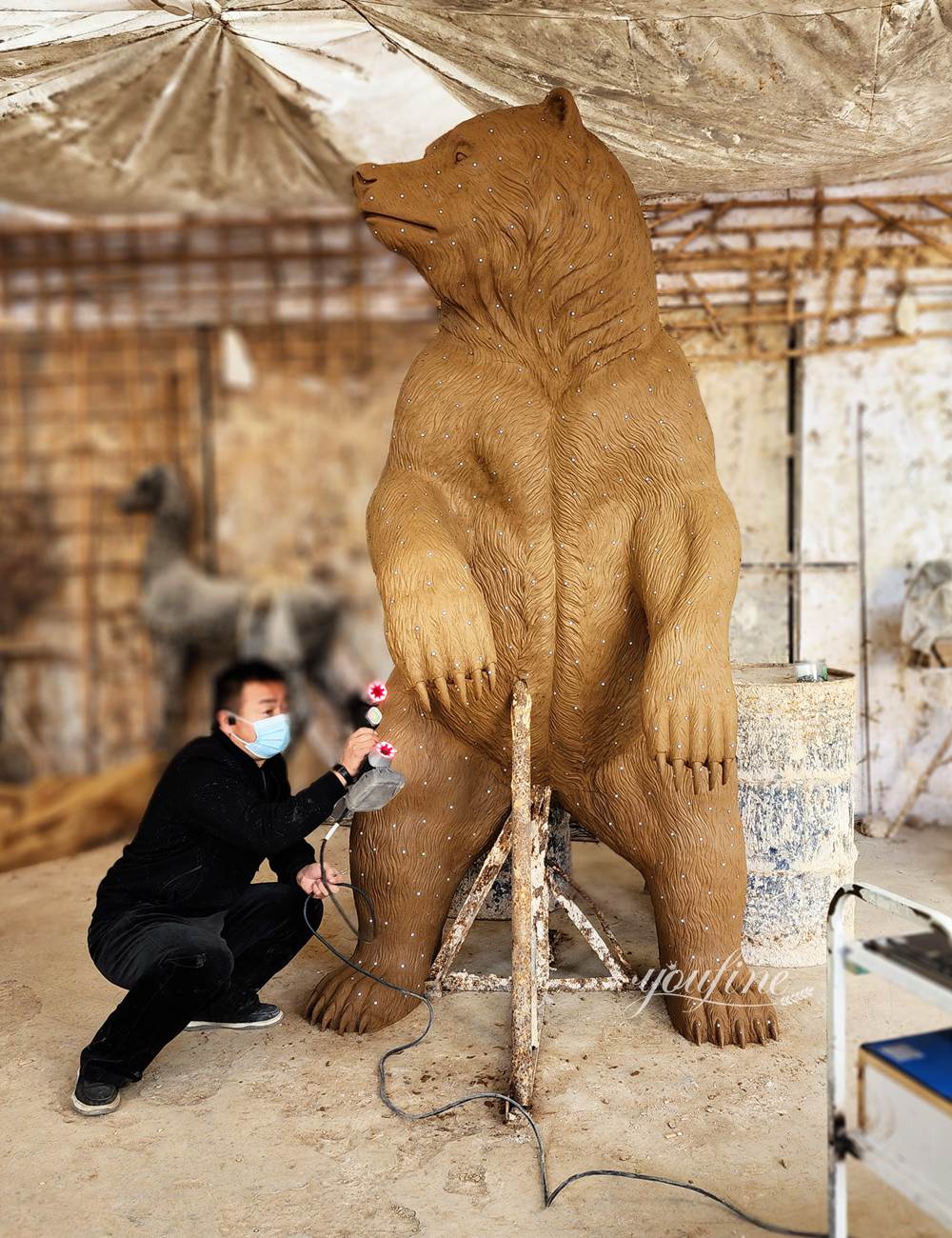
Direct partnership: By working directly with our factory, you receive competitive pricing and clear, transparent communication throughout the project.
Ultimately, a sculpture is defined by the harmony of its elements—form, space, texture, light, and structure all contributing to its final impact. The right balance of these elements ensures a piece that is not merely an object, but a lasting part of its environment and the lives of those who encounter it.
FAQs — What People Ask Most
Based on real visitor questions and search data, here are the most common questions about the Bear and Strawberry Tree statue:
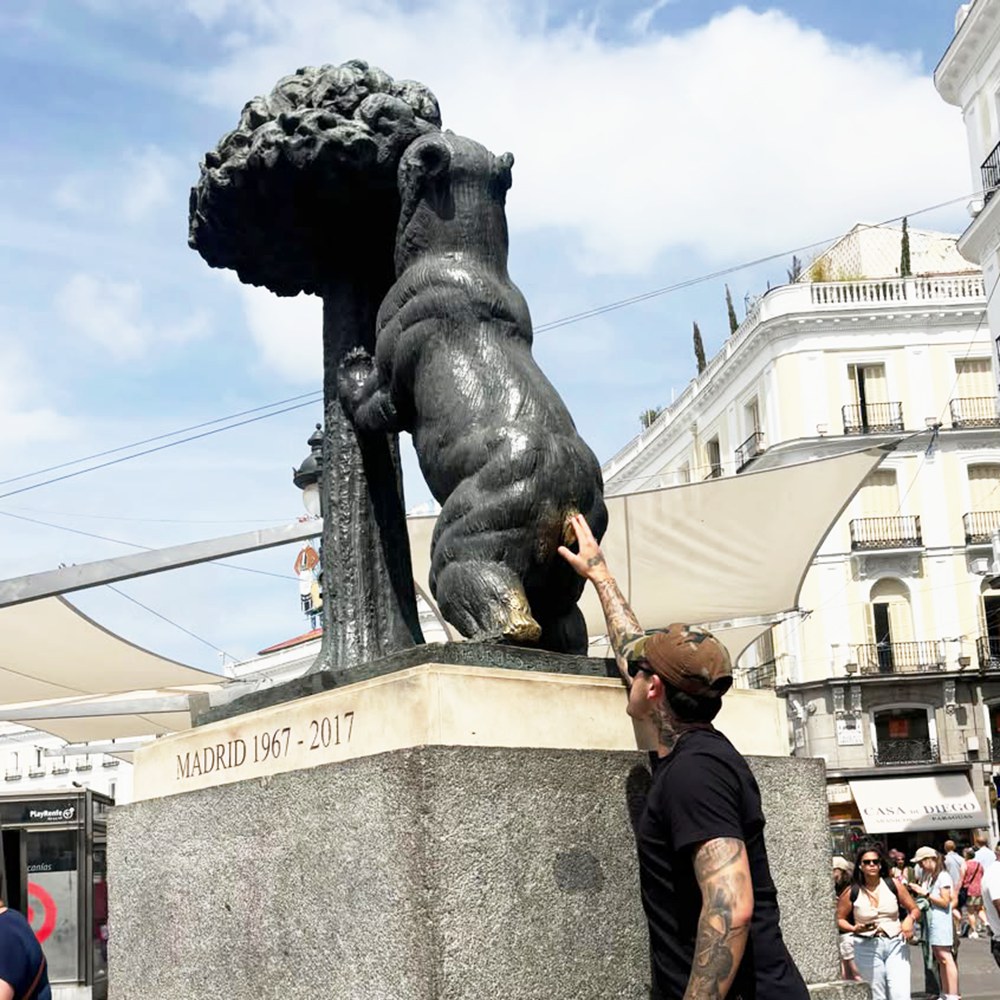
🧸 Is it good luck to touch the bear in Madrid?
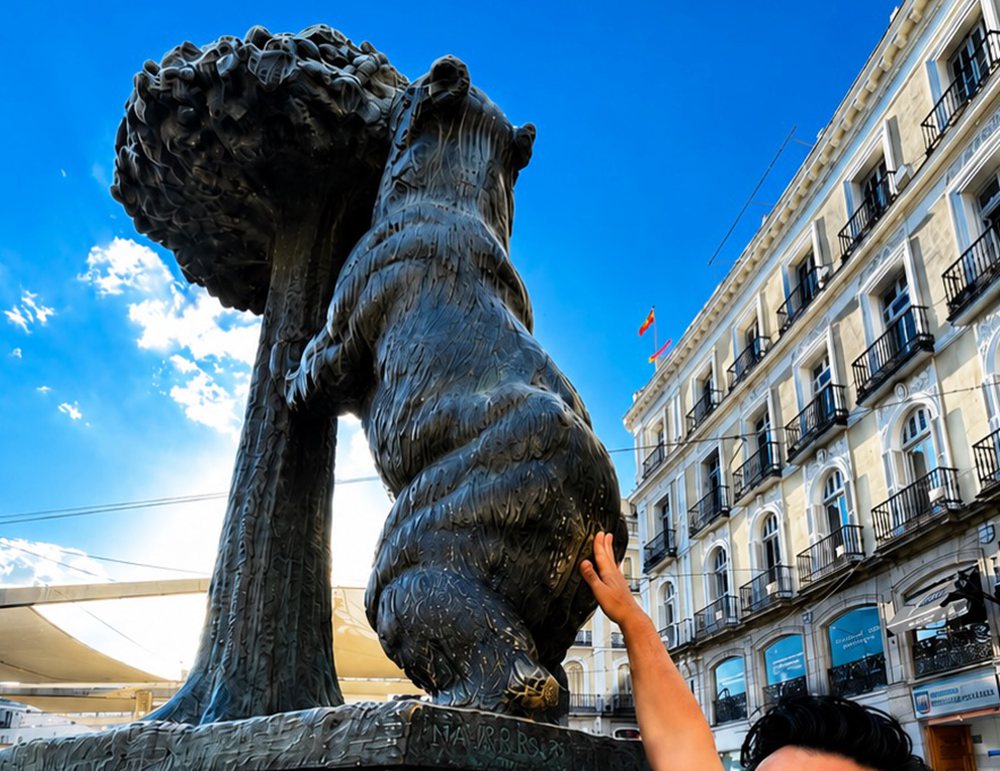
Yes! Many visitors touch the bear’s paw or backside for good luck. According to local tradition, touching the statue ensures you will return to Madrid someday. You can spot the statue’s polished, shiny areas where thousands of hands have rubbed it over the years—the golden sheen is a clear giveaway.
❓ What does the bear and the tree mean in Madrid?
The bear and tree together represent the official coat of arms of Madrid, dating back to the 13th century. The bear symbolizes strength and the natural environment, while the strawberry tree represents the woodlands and resources that belong to the city. Together, they tell the story of a medieval compromise that shaped the city’s identity.
🗺️ Where is the bear statue in Madrid?
The statue is located in Puerta del Sol, Madrid’s most famous public square. Specifically, you’ll find it at the eastern end of the square, between Calle de Alcalá and Carrera de San Jerónimo—near the Vodafone shop.
📅 When was the bear statue built?
The statue was erected in 1967. The sculptor Antonio Navarro Santafé unveiled it on January 19, 1967.
🍓 What is the “strawberry tree” in the statue?
The madroño tree (Arbutus unedo) does not actually grow strawberries—its small red berries look more like lychees. The name “strawberry tree” comes from the visual resemblance, but the fruit tastes very different. The madroño is native to the Mediterranean region and has been a symbol of Madrid’s woodlands for centuries.
🐻 What is the bear’s name in Spanish?
The statue is officially called “El Oso y el Madroño” (The Bear and the Strawberry Tree). Locals sometimes jokingly call it “El Oso con el Chupa-Chups” (The Bear with the Lollipop) because the tree’s red berries resemble the iconic lollipop brand’s logo.
📍 Is the bear at Km 0?
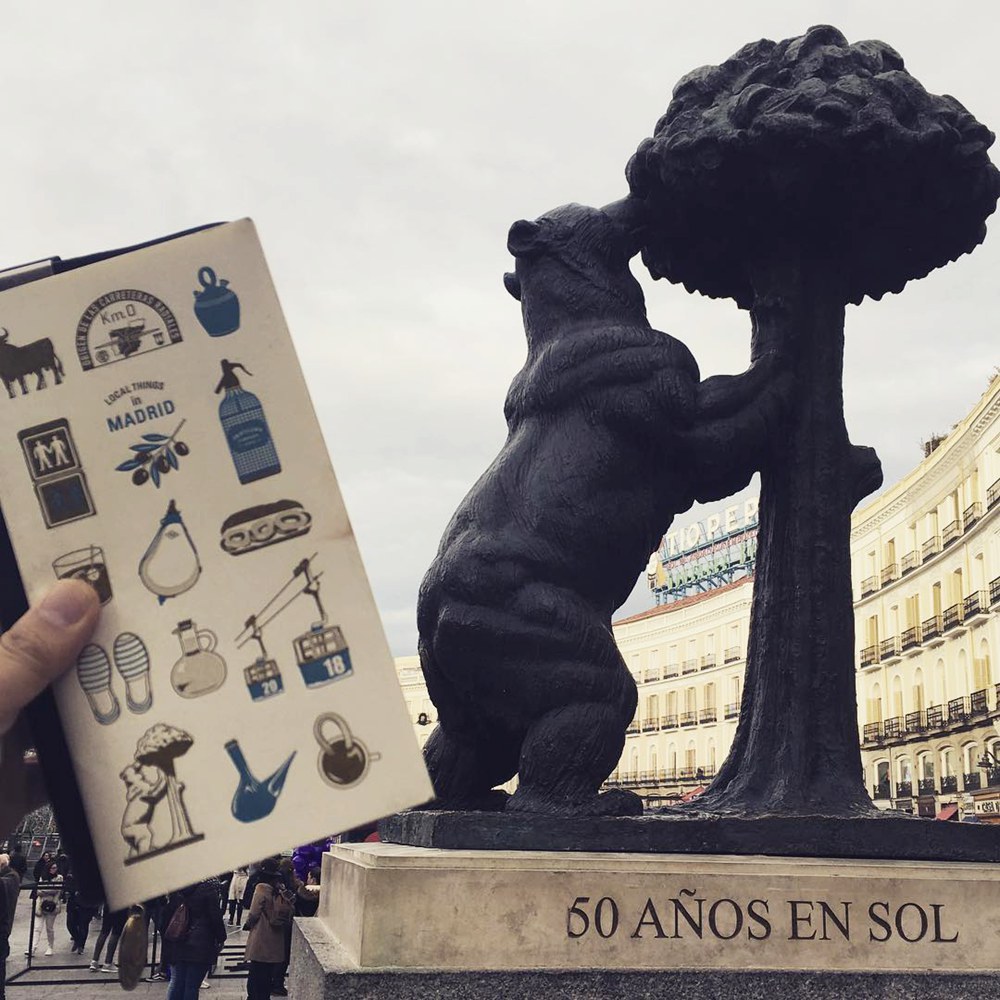
The Kilómetro Cero plaque (marking the center of Spain’s road network) is located just a few steps from the bear statue, in the middle of Puerta del Sol. Many visitors photograph both landmarks during their visit.
🤔 Why is the bear standing on its hind legs?
The upright pose emphasizes the bear’s strength and presence, while also allowing it to reach toward the fruit of the tree. The dynamic posture makes the bear appear active and engaged, rather than passive.
💰 Do I need tickets to see the bear statue?
No. The statue is located in a public square and is completely free to visit. It’s accessible 24/7, all year round.
🎄 Is the bear part of New Year’s Eve celebrations?
Not directly—the New Year’s Eve celebrations center on the clock of the Casa de Correos (the old post office building) in Puerta del Sol, where thousands gather to eat 12 grapes at midnight. The bear statue is also in the square, making it a popular photo spot during the festivities.
A Final Thought
A great sculpture is not defined by a single feature, but by the harmonious coexistence of many—form, space, texture, light, structure, and emotion all contributing to the final artistic effect.
When these elements find their proper balance, a sculpture becomes more than an object. It becomes a lasting part of architecture, environment, and cultural expression. For clients and designers, understanding these principles provides a practical foundation for evaluating quality, selecting the right design, and ensuring the final work meets both aesthetic expectations and site conditions.
If you’re considering a bronze bear sculpture for your next project—whether an exact replica of Madrid’s iconic symbol or a custom interpretation—we would be happy to share our experience and provide practical guidance. Feel free to reach out to our team. We’ll help you turn your idea into a lasting piece of art, thoughtfully crafted for your space and vision.